
National Preparedness Month: An Insulation Checklist for Abilene Homeowners
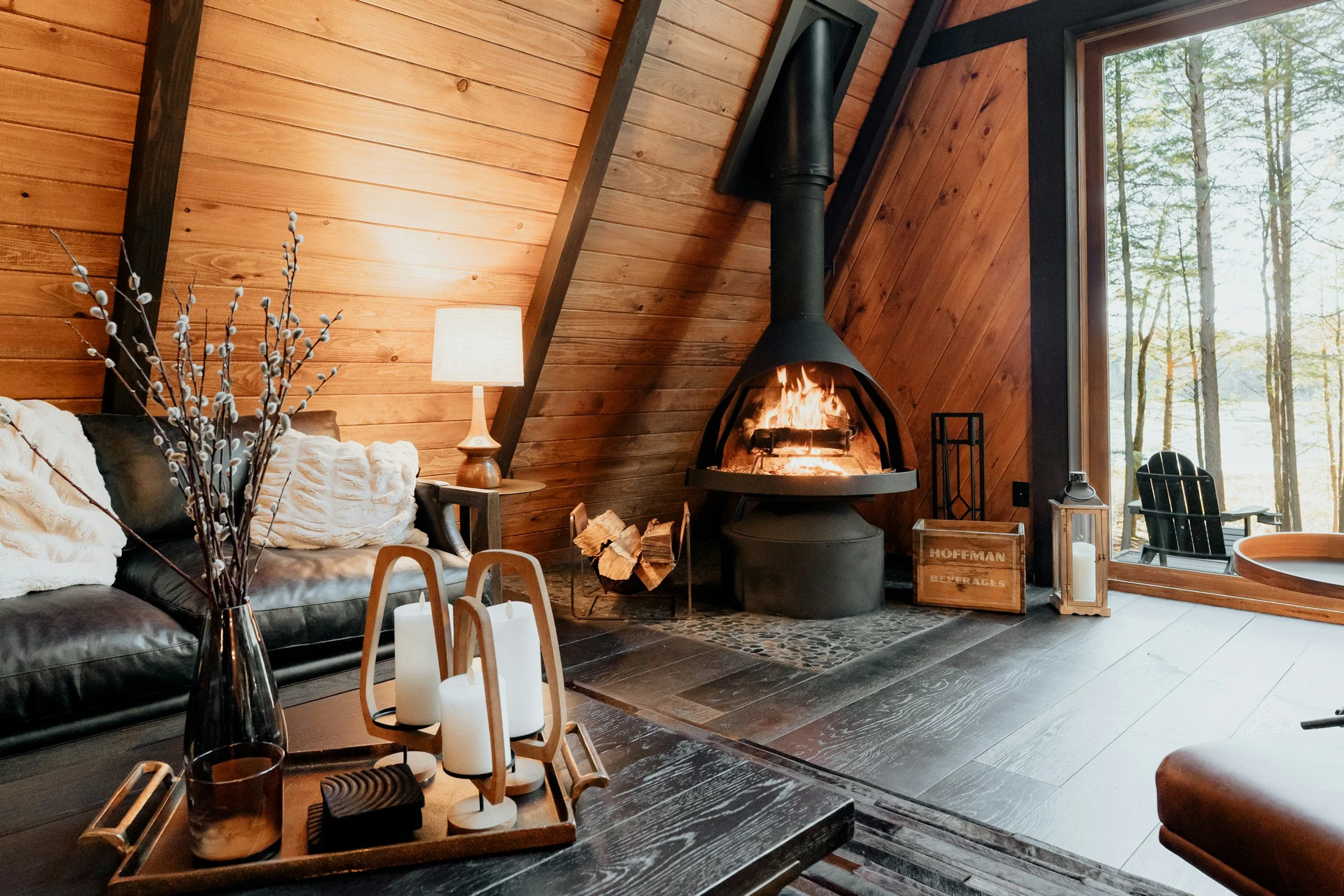
Every September, Ready.gov marks National Preparedness Month, and one of its winter readiness recommendations is straightforward: insulate, caulk, and weatherstrip your home to keep the cold out before it arrives. For most of the country, that's a seasonal chore. For Abilene, it's a little more urgent than that.
Texas winters look mild on paper. Average lows in January hover in the low 30s, and most years pass without a serious freeze event. But "most years" isn't every year, and when a hard freeze does show up, it tends to show up fast and hit homes that weren't ready for it. A poorly insulated house doesn't just run up a heating bill during a cold snap. It struggles to hold heat if the power flickers, it's more likely to see a frozen pipe, and it puts more strain on a heating system that's already working overtime.
September is a good time to deal with this, not because anything is wrong yet, but because nothing is wrong yet. Here's how insulation fits into a real home preparedness plan, and what to check before the first cold front rolls through.
Why Preparedness Month Isn't Just About Emergency Kits
When people think about disaster preparedness, they usually picture flashlights, bottled water, and a battery-powered radio. Those matter. But Ready.gov's own winter weather guidance puts home insulation right alongside supply kits and emergency alerts, and for good reason. A well-sealed, well-insulated home is one of the most effective tools a family has for weathering a winter event, whether that's a routine cold snap or a multi-day freeze.
This isn't a hypothetical concern in Texas. The state's power grid has faced real strain during hard freezes in recent years, and cold weather events have prompted statewide preparedness pushes, including advice to winterize homes specifically to prevent burst pipes and to reduce how hard heating systems have to work during peak demand. A home that holds heat well is less dependent on a heating system running nonstop, which matters even more if that system is competing with a few million other households for power on the coldest night of the year.
Insulation won't fix a grid-wide problem. But it does change how your specific house handles one, and that's the part you actually have control over.
The Preparedness Checklist Most People Skip
A standard emergency kit checklist covers food, water, and flashlights. A home preparedness checklist for insulation looks different, and it's easy to skip because none of it feels urgent until a cold morning makes it obvious.
Check your attic first. Heat loss happens fastest through the ceiling, since warm air rises and escapes through any gaps or thin spots overhead. If your attic insulation looks flattened, patchy, or original to a home built decades ago, it's probably underperforming.
Feel for drafts at outlets, baseboards, and window frames. Insulation works with an air barrier, not instead of one. A draft at an outlet on an exterior wall usually means that seal has failed somewhere behind it, and no amount of attic insulation fixes a leak at the baseboard.
Look at exposed pipes in the attic, garage, or crawl space. These are the pipes most likely to freeze during a hard freeze. When a pipe freezes, the water inside can expand and crack it, and once it thaws, that crack turns into a leak or a burst pipe. At that point, you're shutting off the main water valve to your house and calling a plumber, which is a much worse problem than wrapping the pipe with insulation would have been.
Watch your utility bills as the weather starts to shift. A bill that jumps well beyond normal seasonal creep is a signal worth investigating before winter, not after.
Walk your home room to room. If one bedroom always runs colder than the rest of the house, that's usually a localized insulation gap rather than a heating system problem, and it's worth pointing out specifically when you have it inspected.
None of this requires waiting for a cold snap to find out the hard way. It requires about twenty minutes and a flashlight.
How Much Insulation Does an Abilene Home Actually Need
This is one of the most common questions homeowners have once they start looking into it, and the honest answer is that it depends on where in the house you're asking about and what climate zone you're in. ENERGY STAR's insulation guidance breaks recommended R-values down by region and by location in the home, since an attic, a wall cavity, and a floor over a crawl space all lose heat differently and need different levels of protection.
West Texas homes generally fall into a climate zone where attic insulation recommendations run meaningfully higher than what many older Abilene homes actually have installed. Homes built a few decades ago were often insulated to standards that predate current guidance, which means a home can look fine on the surface and still be significantly under-insulated for what's actually recommended today. The only real way to know where your home stands is to have it measured, not guessed at.
What Weatherizing Actually Saves You
The savings side of this isn't just a sales pitch. The U.S. Department of Energy runs a Weatherization Assistance Program aimed at improving home energy efficiency, and the households it serves save an average of a few hundred dollars a year on energy costs after weatherization work is completed. That program has specific income eligibility requirements, so it isn't a fit for every homeowner, but the underlying math applies broadly: a properly insulated and sealed home costs less to heat and cool, full stop.
For a typical Abilene household, that shows up as a heating system that doesn't run as long or as often during a cold snap, a smaller jump in the utility bill when a freeze does hit, and less strain on a system that's often already worked hard all summer keeping the house cool.
A Simple September Checklist
If you only do a few things this month, prioritize these:
Inspect attic insulation for thin spots, flattened areas, or visible gaps around framing
Check weatherstripping and caulking around exterior doors and windows
Locate and insulate any exposed pipes in unconditioned spaces
Note any rooms that run noticeably colder than the rest of the house
Compare this month's utility bill to the same month last year
If more than one or two of these turn up a problem, that's worth a professional inspection rather than a guess.
Frequently Asked Questions
When should I check my home's insulation before winter? Early fall, before the first cold front arrives, gives you time to schedule an inspection or repairs without competing for appointments during peak cold-weather demand.
Does Abilene really need to worry about winter storms? Most winters in Abilene are mild, but the region has seen hard freezes and statewide winter weather events in recent years that put real strain on homes and the power grid. Preparing before a freeze hits is far easier than reacting during one.
What's the difference between weatherstripping and insulation? Weatherstripping and caulking seal air leaks around doors, windows, and other openings. Insulation slows heat transfer through walls, attics, and floors. A well-prepared home needs both, since insulation alone can't stop air from leaking through unsealed gaps.
Can I inspect my own attic insulation? You can do a basic visual check yourself, looking for flattened, thin, or missing insulation and daylight gaps around the attic framing. For an accurate read on whether your home meets current recommended levels, a professional inspection is more reliable.
Getting Ahead of It
National Preparedness Month is a reminder, not a deadline. The point isn't to scramble through a checklist in September and forget about it until next fall. It's to catch the kind of problem that's invisible on a warm day and very obvious on a cold one, while there's still time to do something about it.
King Insulation works with Abilene homeowners on attic insulation, whole-home insulation upgrades, and old home insulation removal and replacement, and can walk through a property to point out exactly where it's falling short before winter makes that decision for you.
References
Ready.gov. "Winter Weather." U.S. Department of Homeland Security / FEMA. https://www.ready.gov/winter-weather
U.S. Department of Energy. "Weatherization Assistance Program." https://www.energy.gov/cmei/scep/wap/weatherization-assistance-program
ENERGY STAR. "Recommended Home Insulation R-Values." U.S. Environmental Protection Agency / U.S. Department of Energy. https://www.energystar.gov/saveathome/seal_insulate/identify-problems-you-want-fix/diy-checks-inspections/insulation-r-values