
National Energy Awareness Month: What's Actually Available to Abilene Homeowners in 2026
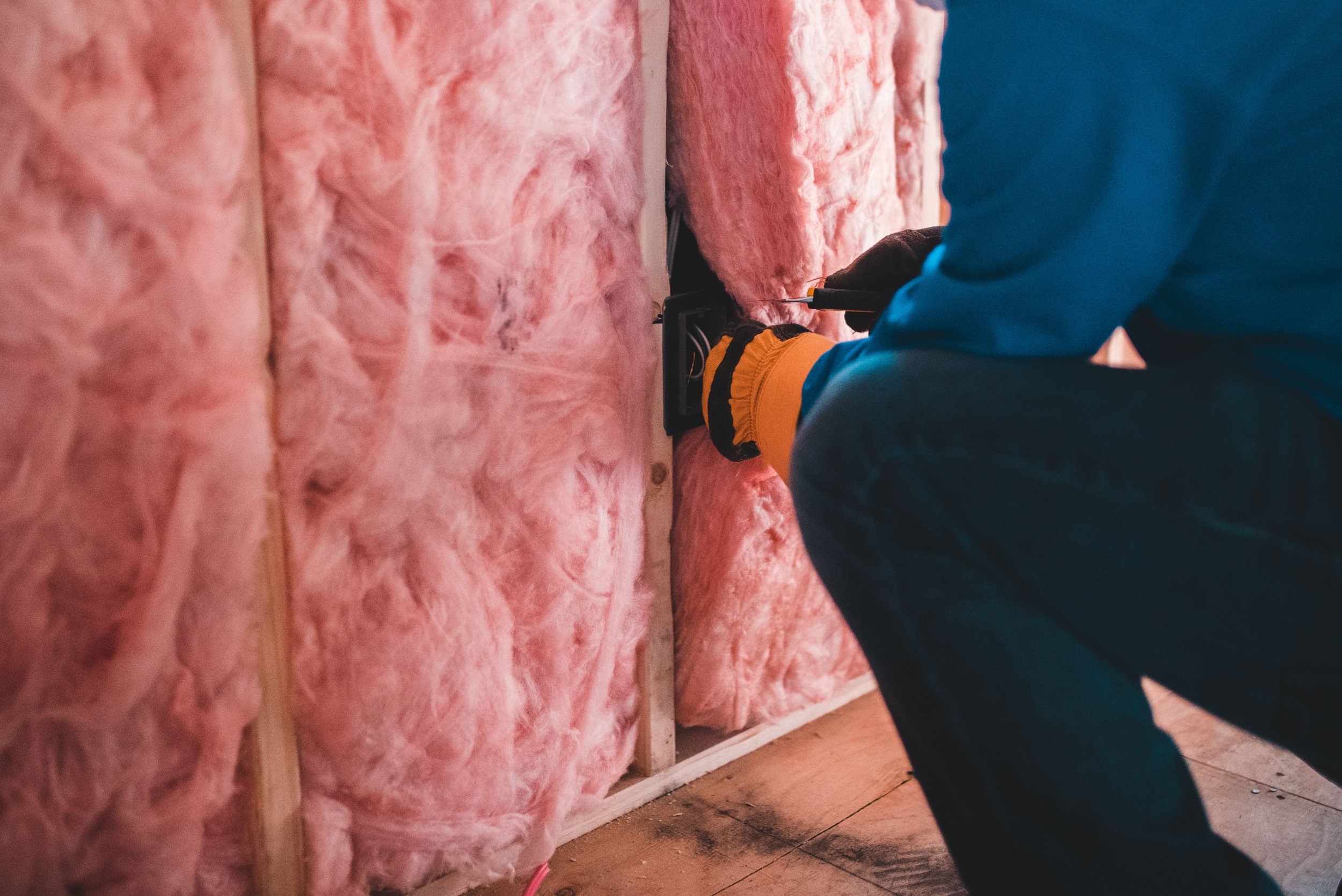
If you searched for insulation tax credits last year, you probably found a straightforward answer: a federal credit worth up to $1,200 a year for insulation and air sealing. That answer is now out of date. The Energy Efficient Home Improvement Credit, officially known as Section 25C, ended for any improvements placed in service after December 31, 2025, under the One Big Beautiful Bill Act, according to the IRS. If you're insulating your home in 2026, that credit is not part of the math anymore.
That's not the whole story, though. October is National Energy Awareness Month, and while the federal incentive is gone, there's a program most Abilene homeowners have never heard of that's still active right now, run by the utility that actually serves this area.
The Tax Credit Is Gone. Here's What Changed.
For a few years, Section 25C let homeowners claim 30% of what they spent on insulation and air sealing, up to $1,200 annually. It was a real incentive, and a lot of insulation and HVAC advice online still references it, because most of that content was written before the law changed.
The One Big Beautiful Bill Act, signed into law in July 2025, moved up the expiration date on several energy-related tax credits, including this one. For insulation specifically, the cutoff is improvements placed in service on or before December 31, 2025. Anything installed in 2026 doesn't qualify, no exceptions and no partial credit.
If you've been holding off on an insulation project because you were planning to use the credit, that plan no longer works. The good news is that it isn't the only option on the table.
What's Actually Still Available: AEP Texas Saves
AEP Texas, the utility that delivers power to Abilene and most of West Texas, runs an ongoing energy efficiency program called AEP Texas Saves. Through its Residential Standard Offer Program, the utility provides incentives to approved contractors who install qualifying energy efficiency upgrades in customer homes, including insulation and air infiltration work like sealing attic accesses, door weatherstripping, and plumbing penetration sealing.
Here's the part that catches people off guard: the incentive goes to the contractor, not directly to the homeowner as a rebate check. In practice, that usually means the work itself can be available at reduced or no cost to the homeowner, depending on current program funding and which contractor you use. Funding is limited and allocated on a yearly basis, so availability isn't guaranteed indefinitely.
This program isn't new, and it isn't tied to the tax law change. But it's the kind of thing that's easy to miss if you're not actively looking for it, and a lot of homeowners assume "energy rebate" automatically means a federal program, when in this case the more relevant one is sitting with the local utility.
A few things worth knowing if you're considering it:
The program works through approved contractors, not direct enrollment with AEP Texas
An AEP Texas representative performs a brief walkthrough inspection, typically around ten minutes, to verify the work
Eligible measures go beyond insulation, covering things like duct testing and sealing and water heater insulation blankets, so it's worth asking a contractor what's included
It's specific to the AEP Texas service territory, which covers Abilene, San Angelo, and much of West and South Texas
Why This Matters More in October Specifically
National Energy Awareness Month isn't just a marketing hook. October 30 is formally recognized as National Weatherization Day, and 2026 marks the 50th anniversary of the U.S. Department of Energy's Weatherization Assistance Program, according to the National Association for State Community Services Programs, which coordinates the program nationally. Half a century in, the program has helped millions of households reduce energy costs through exactly the kind of work this post is about: insulation, air sealing, and building envelope improvements.
That timing lines up with the practical reality in Abilene too. Home energy use starts climbing again once temperatures drop, and whatever gaps exist in a home's insulation or air sealing show up fastest in the first real cold snap. October, before that happens, is the window to actually do something about it rather than just read about it.
What To Actually Do With This Information
None of this requires guessing. A few concrete next steps:
If you were planning an insulation project around the old tax credit, recalculate the cost without it. The project may still make sense on energy savings alone, but the math has changed.
Ask any insulation or HVAC contractor you're considering whether they participate in the AEP Texas Saves program. Not every contractor does, and participation can affect project cost.
If you're not sure whether your home's insulation is a problem worth addressing this year, a professional inspection answers that faster than trying to diagnose it yourself.
Keep in mind that utility rebate funding is allocated per program year and can run out, so earlier in the year (and earlier in the project planning process) tends to be better than later.
Frequently Asked Questions
Is there still a federal tax credit for home insulation in 2026? No. The Energy Efficient Home Improvement Credit (Section 25C) ended for any property placed in service after December 31, 2025. Insulation installed in 2026 does not qualify.
What is AEP Texas Saves? It's AEP Texas's energy efficiency program for residential and commercial customers, offering incentives to approved contractors for qualifying upgrades, including insulation, air sealing, and HVAC efficiency measures. It's administered through the utility, not the federal government.
Does AEP Texas Saves apply to everyone in Abilene? It applies to AEP Texas customers within the program's service territory, which includes Abilene. Funding is limited and allocated yearly, so availability can vary.
What is National Weatherization Day? It's October 30, a day recognized nationally to highlight the Department of Energy's Weatherization Assistance Program and the role of insulation and air sealing in reducing household energy costs.
If the tax credit is gone, is insulation still worth it financially? Insulation reduces how hard a heating and cooling system has to work, which shows up as lower energy bills regardless of any tax credit. The credit made the upfront cost lower, but the ongoing savings from a properly insulated home aren't tied to that credit and don't go away with it.
The Short Version
The federal tax credit that used to make insulation projects cheaper is gone for 2026. A local utility program that can still help offset that cost is active right now, and most homeowners don't know it exists. National Energy Awareness Month is as good a reason as any to find out where your own home stands before the temperature drops and the question stops being theoretical.
King Insulation works with homeowners throughout Abilene on attic insulation, whole-home insulation upgrades, and old home insulation replacement, and can help you understand where your home's insulation actually stands before winter makes that decision for you.
References
Internal Revenue Service. "Energy Efficient Home Improvement Credit." U.S. Department of the Treasury. https://www.irs.gov/credits-deductions/energy-efficient-home-improvement-credit
AEP Texas. "Residential Standard Offer Program." AEP Texas Energy Efficiency. https://aeptxsaves.com/residential-programs/residential-standard-offer/
National Association for State Community Services Programs (NASCSP). "Weatherization Day 2026: Celebrating 50 Years of WAP." https://nascsp.org/wap/advocacy/weatherization-day/