
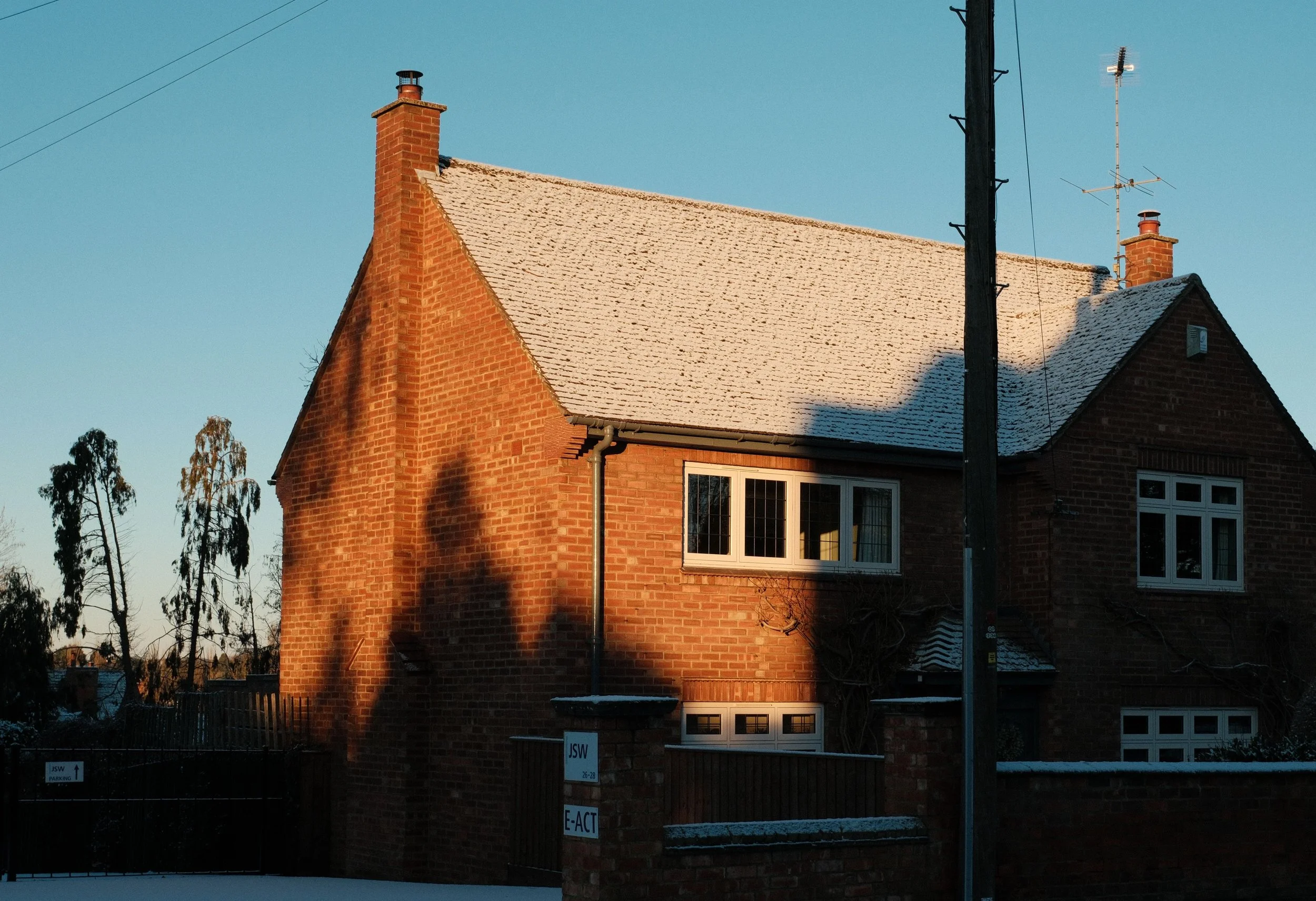
Abilene's average first freeze arrives on November 11, according to the National Weather Service, and the earliest one on record came way back on October 18, 1948. That means the heating season is knocking right about now, and it's also the time of year when a lot of well-meaning insulation advice gets passed around the neighborhood.
Some of it is right. Some of it is the reason a house stays cold and a heating bill stays high. Here are six of the most common insulation myths, and what's actually true for a home in West Texas.
The Short Version
Myth 1: Abilene winters are too mild to need much insulation. Not quite.
Myth 2: Insulation is just for winter. It works in both directions.
Myth 3: A thick layer of insulation means you're covered. Gaps and compression change the real number.
Myth 4: Insulation stops drafts and air leaks. It doesn't. Sealing does.
Myth 5: More insulation is always better. Placement matters more than pile height.
Myth 6: You can wait until it's actually cold. By then you've already been paying for it.
Myth 1: "Abilene Winters Are Too Mild to Need Much Insulation"
The reality: Abilene's freezing season is shorter than in the Panhandle, but it isn't small. The National Weather Service lists the average first freeze as November 11 and the average last freeze as March 21, which is a little over four months when temperatures can drop to 32 degrees or lower.
And the average isn't the whole picture. In February 2021, Abilene recorded 252 consecutive hours at or below freezing, from February 9 through February 19, according to the same National Weather Service climatology page. That's more than ten days. A house that does fine in an ordinary winter can struggle badly during an unusual one, and insulation is a big part of the difference.
Myth 2: "Insulation Is Just for Winter"
The reality: Insulation slows heat in both directions. University of Georgia Extension explains that it keeps heat in during the winter and keeps heat out during the summer, which is why a well-insulated home tends to need less from both the furnace and the air conditioner.
In Abilene, that second half matters. Summer sun beats on the roof, the attic heats up, and that heat pushes down toward the rooms below. The same layer of insulation that holds in warmth on a freezing night is the layer slowing that heat down in August. The same extension experts note that the attic is the easiest and most affordable place to add insulation to an existing home, which is why it's usually the first place to look.
Myth 3: "A Thick Layer of Insulation Means I'm Covered"
The reality: Thickness is only part of the story. Every type of insulation has an R-value, which is simply a rating of how well it resists heat flow, where a higher number means better resistance. But the number printed on the package is what the material can do under ideal conditions.
The U.S. Department of Energy's Building Science Education resource points out that real homes have voids, gaps, and compression that change the actual R-value of the insulation once it's installed. It also notes that air moving across the insulation can reduce its installed R-value further. In plain terms, an attic can look full and still underperform if there are bare patches around obstacles, spots where the material has been squashed flat, or places where air is slipping through.
That's why measuring thickness is a start, not a verdict. A professional can look at coverage and condition, not just depth.
Myth 4: "Insulation Stops Drafts and Air Leaks"
The reality: Insulation slows the transfer of heat. It does not reliably stop air from moving, and moving air carries heat with it. Those are two different jobs, and a home needs both done.
The ENERGY STAR sealing and insulating guide notes that many of the most significant air leaks in a house are hidden in the attic and basement, and it points to common culprits like the attic hatch and recessed "can" lights in the ceiling. In cold weather, those leaks act a bit like a chimney: heated indoor air drifts up into the attic while cold air gets pulled in lower in the house.
The Department of Energy source above adds a related warning. Insulation laid over large holes, rather than fitted against the barrier that's supposed to stop air, can create small air gaps where currents form and carry heat up through the insulation. So the smart order of operations is to seal first and insulate second. If you're adding insulation on top of unsealed leaks, you're paying for material that has a hole underneath it.
Myth 5: "More Insulation Is Always Better"
The reality: Adding more is useful when you're under-insulated, but piling it on without a plan can backfire. Two examples are worth knowing.
First, insulation needs to go where it can actually do its job. Guidance from eXtension, a cooperative extension network, says attic insulation should reach the top of the exterior walls without blocking airflow from the soffit vents. Soffit vents are the small vents tucked under your roof's overhang that let fresh air into the attic. Cover them up and the attic can't breathe the way it was designed to.
Second, compression is a problem. The same source notes that squeezing insulation erodes its R-value, so stuffing material into a space it doesn't fit isn't the shortcut it looks like. And if existing insulation is damp or has been disturbed by pests, adding more on top just buries a problem. Our post on signs your Abilene home needs new insulation covers how to spot those situations.
Myth 6: "I'll Deal With It When It Actually Gets Cold"
The reality: The problem with waiting is that insulation problems cost you the entire time they exist, not just on the coldest night. A thin or gappy attic is working against your furnace on every chilly morning in November, and the bill shows up weeks after the fact.
The timing is also unpredictable. The average first freeze is November 11, but the National Weather Service's records show it has arrived as early as October 18. Nobody gets a reliable warning that this is the year it comes early.
There's a practical side too. If you were hoping to use the local utility incentive we covered last month, funding is limited and allocated yearly, as explained in our post on what's actually available to Abilene homeowners in 2026. Planning before the cold sets in gives you more room to ask questions and compare options, instead of making a rushed call during a cold snap.
Frequently Asked Questions
When is the first freeze in Abilene? The average first freeze is November 11, according to the National Weather Service. The earliest on record was October 18, 1948, so the date can move from year to year.
Does insulation help with air conditioning costs, too? Yes. Insulation slows heat flow in both directions, so it helps keep heat out in the summer as well as in during the winter.
What is R-value? R-value is a rating of how well insulation resists heat flow. A higher number means better resistance, but the installed performance can be lower than the rating if there are gaps, compression, or air leaks.
Can new insulation go on top of old insulation? Often it can, if the existing material is dry and in good condition. If it's damp, compressed, or has been disturbed by pests, it usually makes sense to remove and replace it instead. A professional inspection can tell you which situation you're in.
Is air sealing the same thing as insulation? No. Air sealing blocks the gaps where air moves in and out of your home, while insulation slows heat flow through walls, ceilings, and floors. A home does best with both, and sealing is typically done first.
How can I tell if my attic insulation is deep enough? Start by measuring its thickness and comparing it to the recommended levels for our region on the ENERGY STAR R-value guide. Then keep in mind that depth alone doesn't capture gaps or air leaks.
Know Where Your Home Stands
The first freeze is a good deadline because it's concrete: a date on the calendar that most people can picture. A house that goes into winter sealed and properly insulated behaves very differently from one that doesn't, and the difference shows up in comfort long before it shows up on a bill.
King Insulation works with Abilene homeowners on attic insulation, old home insulation replacement, and spray foam insulation, and can walk through your home to show you what's actually going on up there before the cold arrives.
References
National Weather Service, San Angelo, TX. "Freeze Climatology." NOAA / U.S. Department of Commerce. https://www.weather.gov/sjt/climate-freezeinfo
University of Georgia Cooperative Extension. "Insulation helps keep homes warm in winter, cool in summer." https://fieldreport.caes.uga.edu/insulation-helps-keep-homes-warm-in-winter-cool-in-summer/
U.S. Department of Energy. "Building Envelope Building Science Intro Heat Flow." Building Science Education. https://bsesc.energy.gov/energy-basics/building-envelope-building-science-intro-heat-flow
ENERGY STAR. "Sealing and Insulating with ENERGY STAR: Sealing Air Leaks and Adding Attic Insulation" (DIY Guide). U.S. Environmental Protection Agency / U.S. Department of Energy. https://www.energystar.gov/sites/default/files/asset/document/DIY_Guide_May_2008.pdf
eXtension Home Energy. "Proper Installation of Home Insulation for Energy Efficiency." https://home-energy.extension.org/?p=97
ENERGY STAR. "Recommended Home Insulation R-Values." https://www.energystar.gov/saveathome/seal_insulate/identify-problems-you-want-fix/diy-checks-inspections/insulation-r-values